













SAIGON : PEARL OF THE FAR EAST
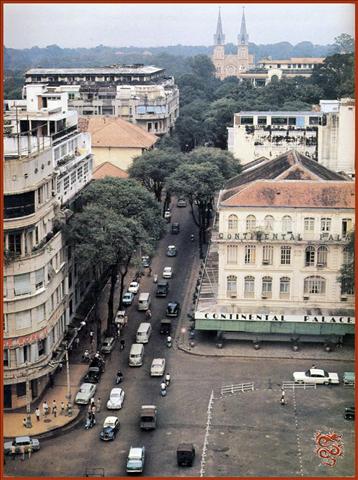
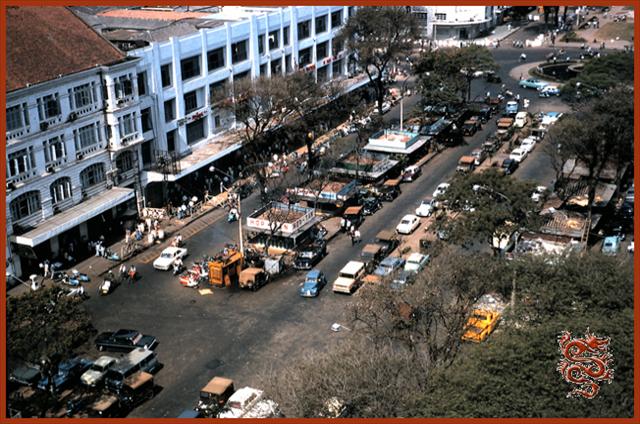
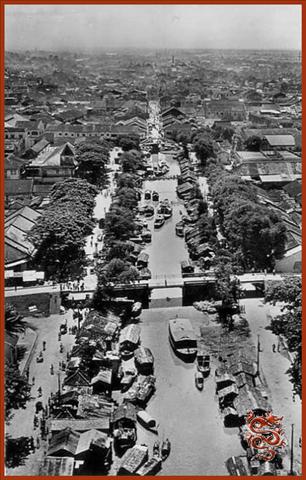
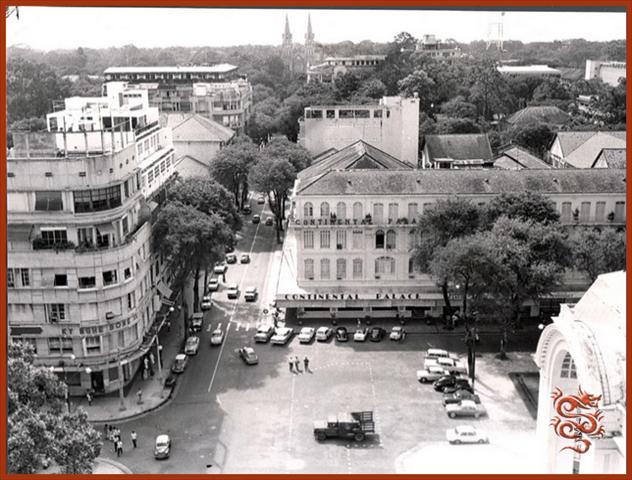
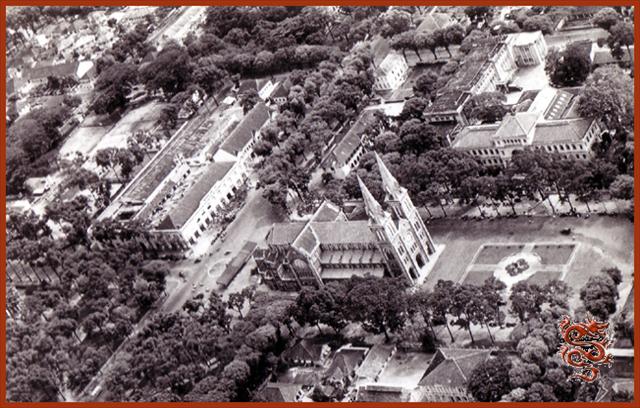
Saigon Aerial view
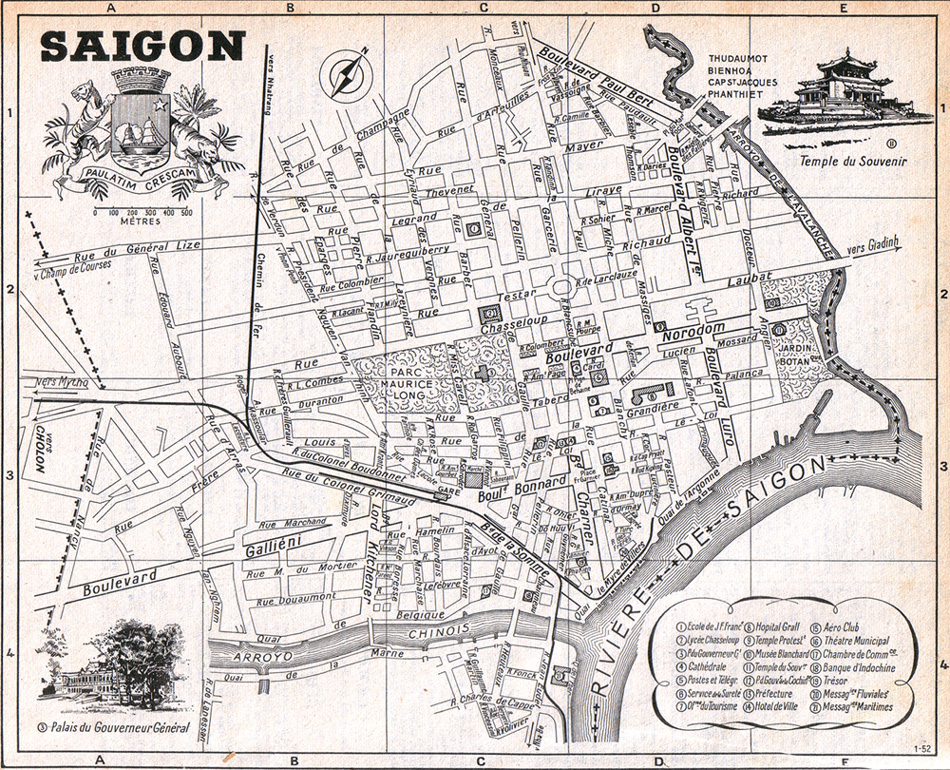
Saigon Map in 1953
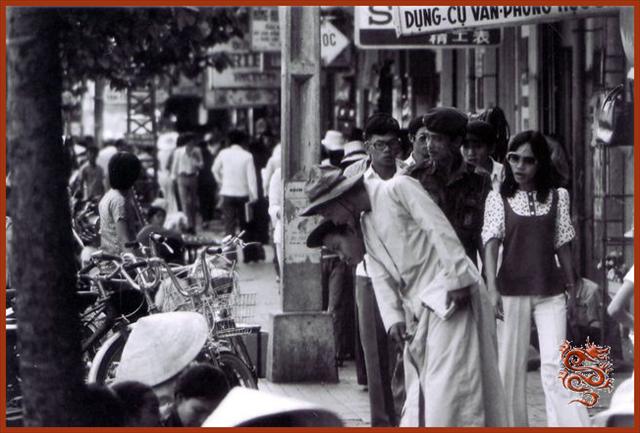
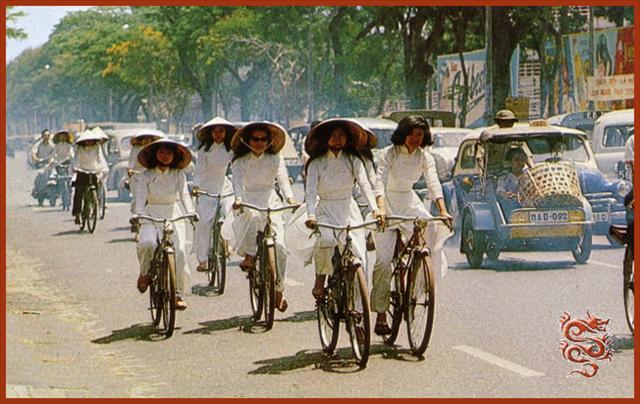
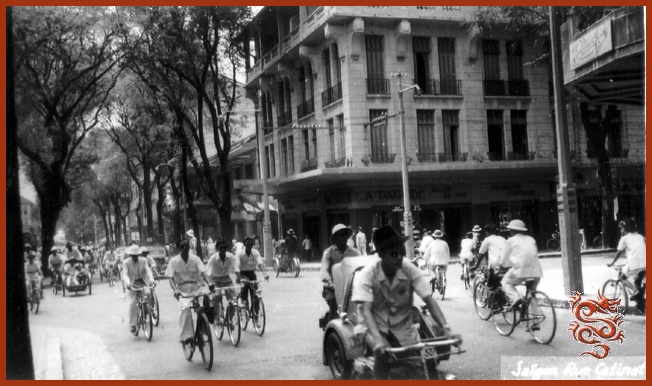
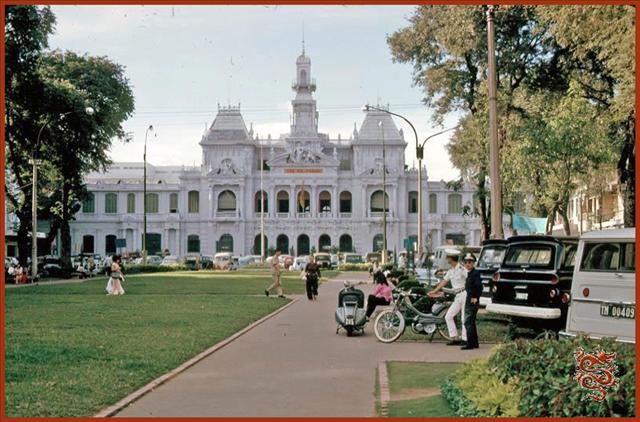
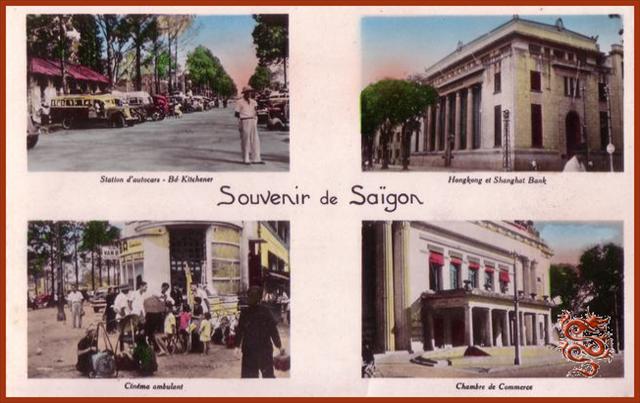
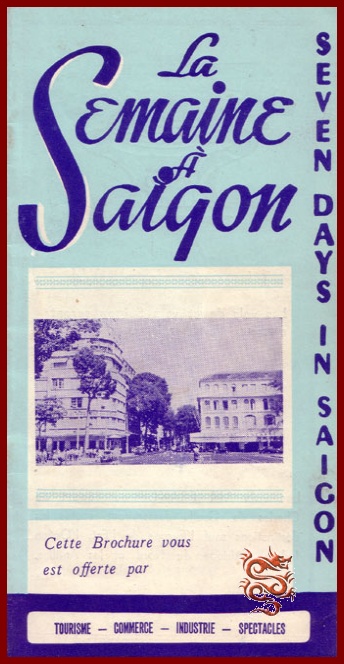
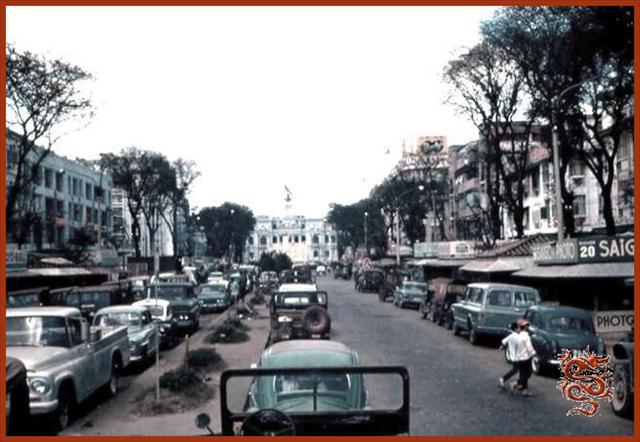
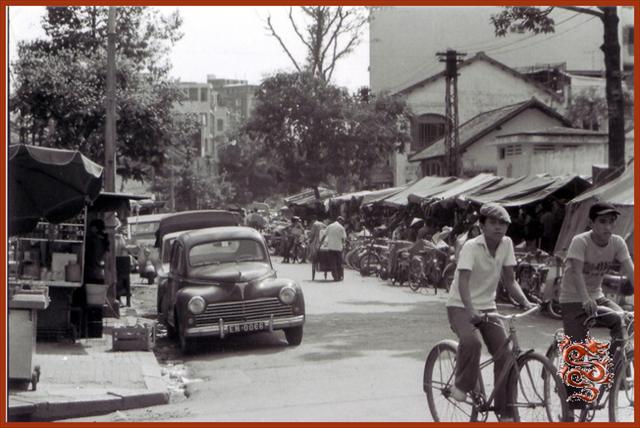
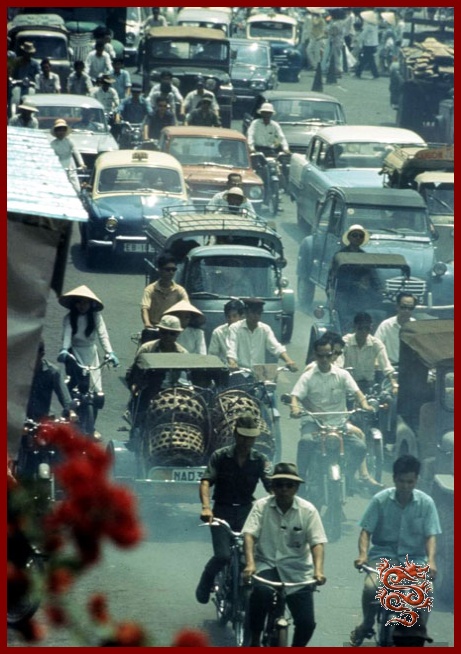
Saigon started off as a small Cambodian port; a fishing village called Prey Kor. Inhabited by Annamites starting in the 17 century, the site came to be called Saigon, and was surrounded by walls in the 18th century before being conquered by the French in 1859. Saigon would then be known for years as “The Paris of the Far East”: the town has numerous colonial monuments.
|
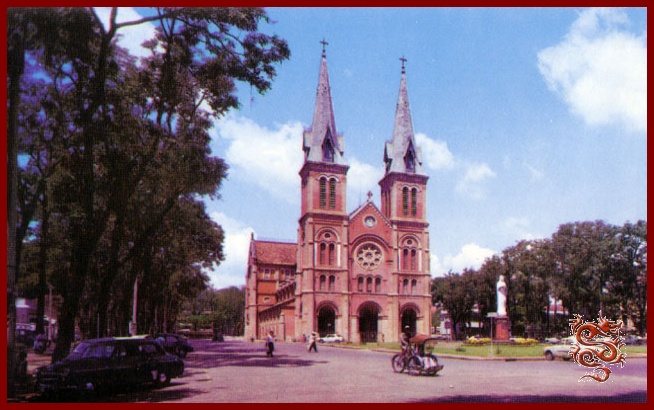
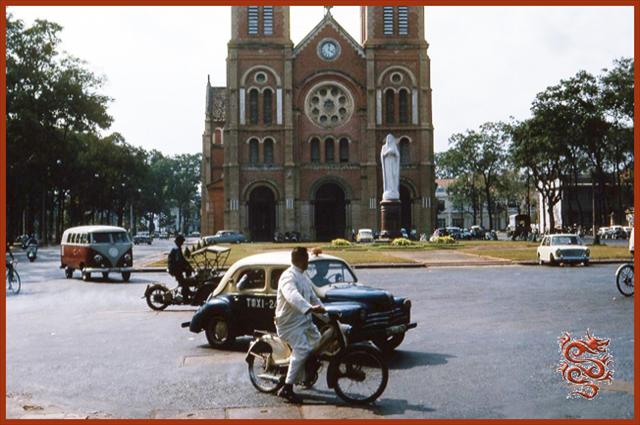
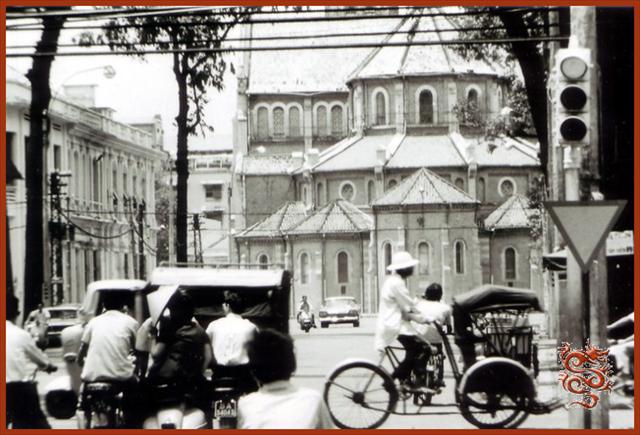
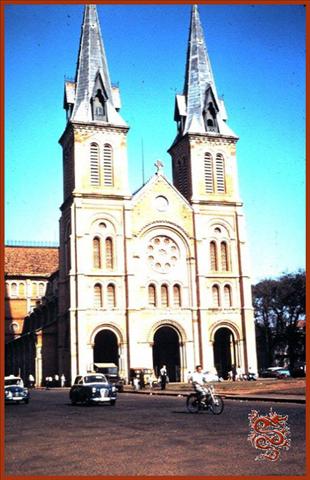
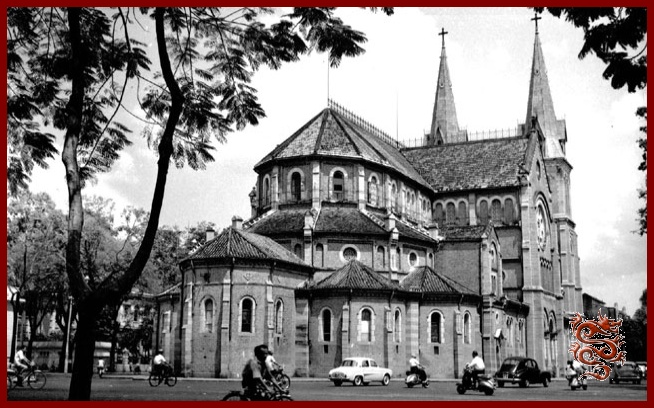
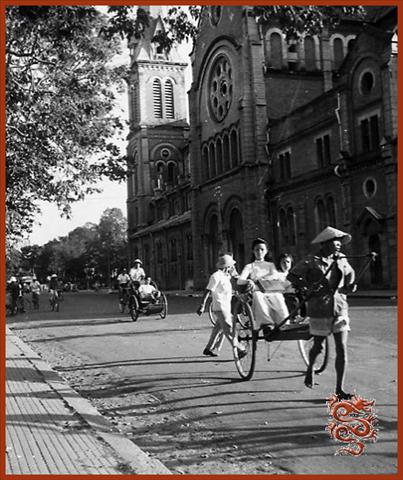
The Cathedral of Notre Dame :
In August of 1876 the governor of Cochin China, Pigneau de Behaine Square
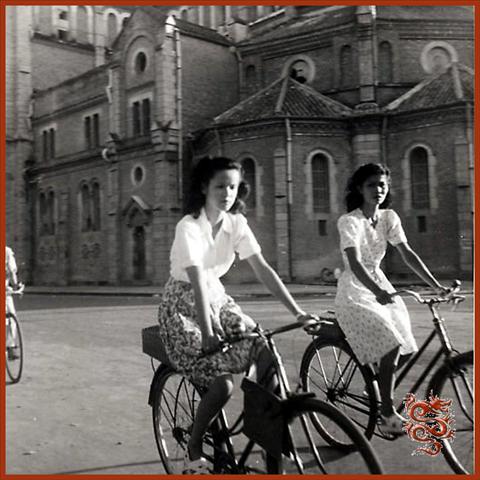
Marriage at the 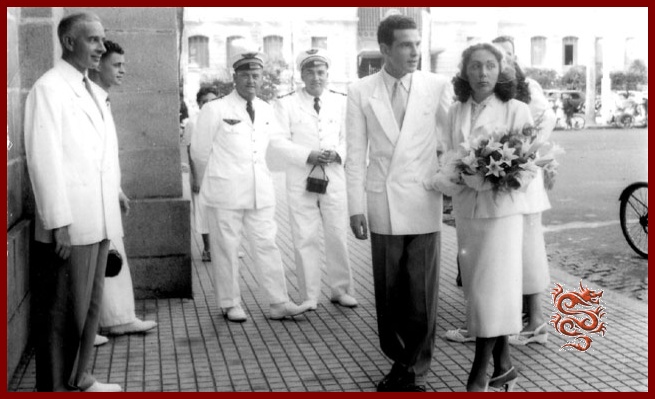
Celebration of the marriage of Mr. and miss Lesponne Andrée Bernard in the Cathedral of Notre Dame on Saturday, April 19, 1952. |
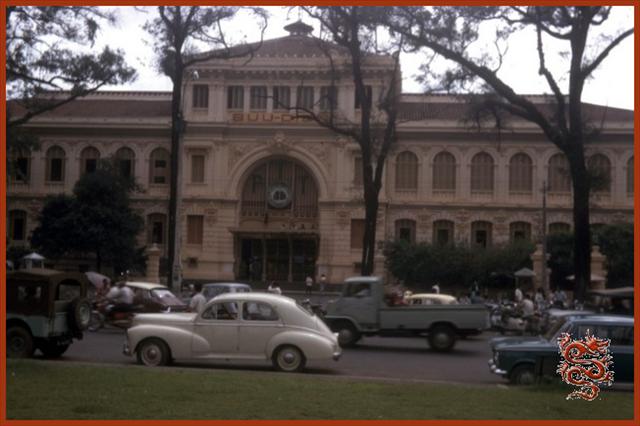
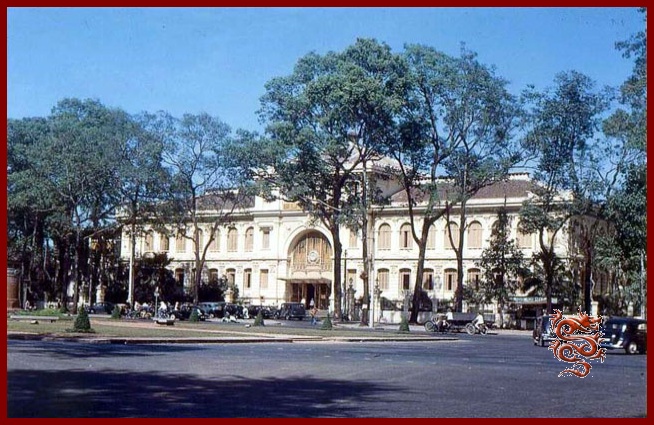
The Post Office :
The main Post Office was built in 1891 by Alfred Foulhoux and Henri Vildieu. It represents the link with the metropolis (Paris). At the beginning of colonialisation its role is even greater: the telegraph plays a determining role in the transmission of military orders and the coordination of operations.
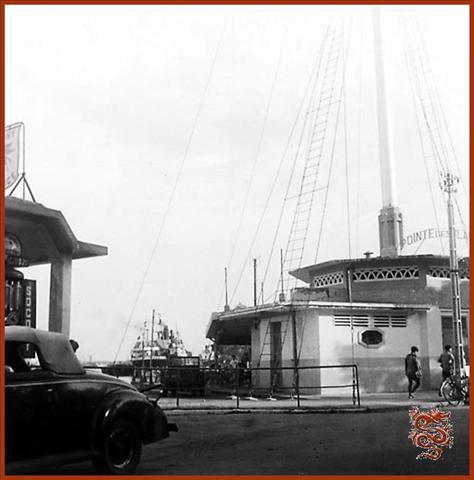
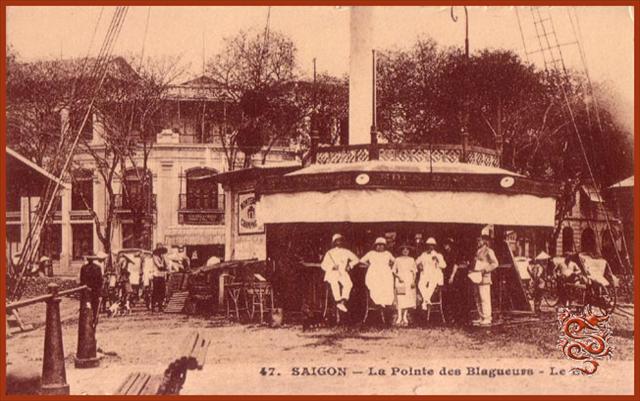
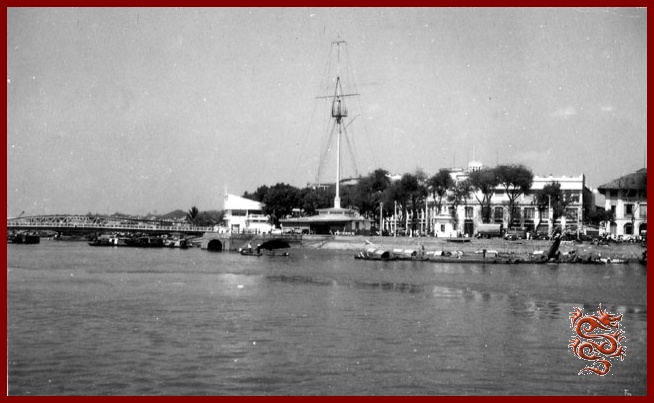
The "Joker's Point Cafe"
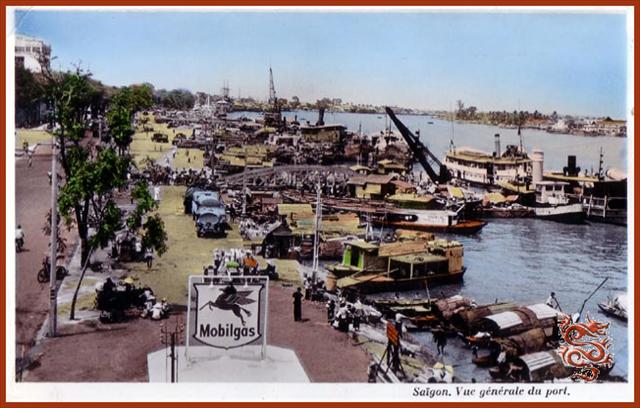
The "Joker's Point" restaurant (Restaurant de la Pointe des Blagueurs) was run by its owner, Madame Durand. From here one could dream while watching ocean liners arriving and departing from the "Messageries Maritimes" dock across from the restaurant.
On Sundays, the people of Saigon often had a drink or a light meal on the floating dock of the "Jokers Point"cafe, located on the Quai de Belgique (Belgium Embankment).
In front of the "Joker's Point" Cafe were sampans and ocean-going junks as well as a Mobil service station.
|




|
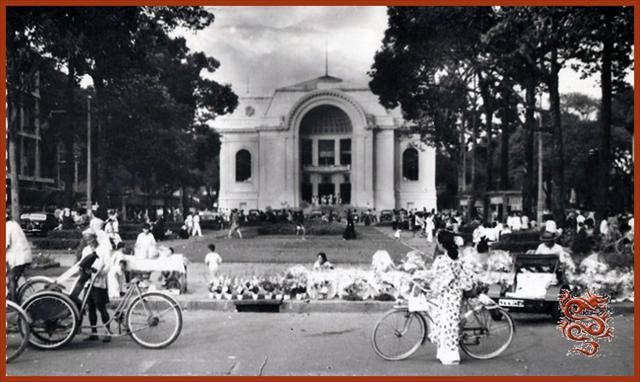
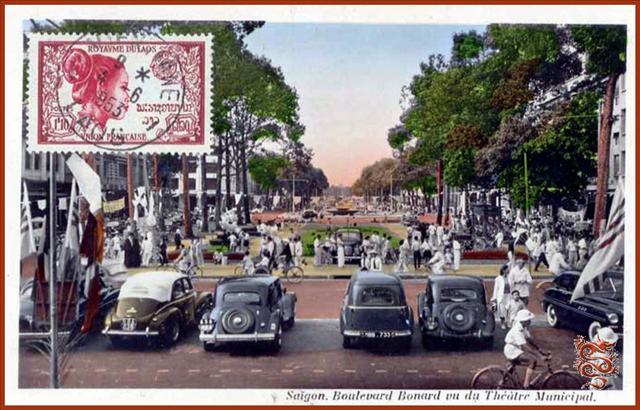
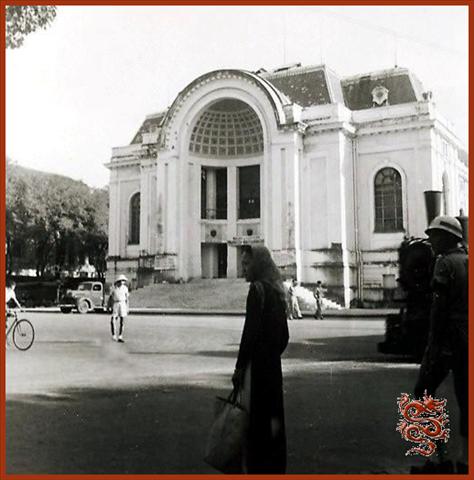
The Opera
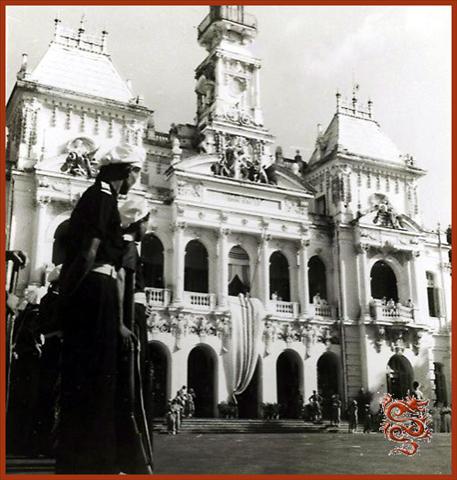
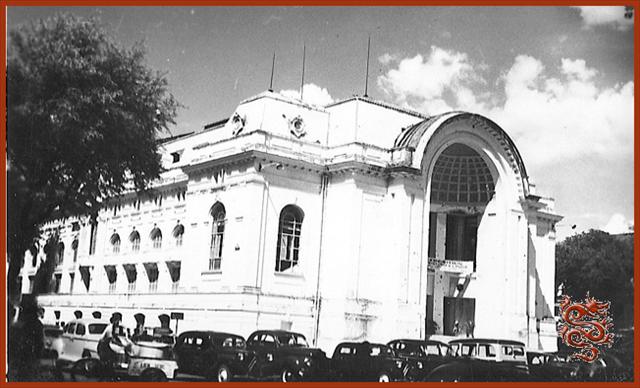
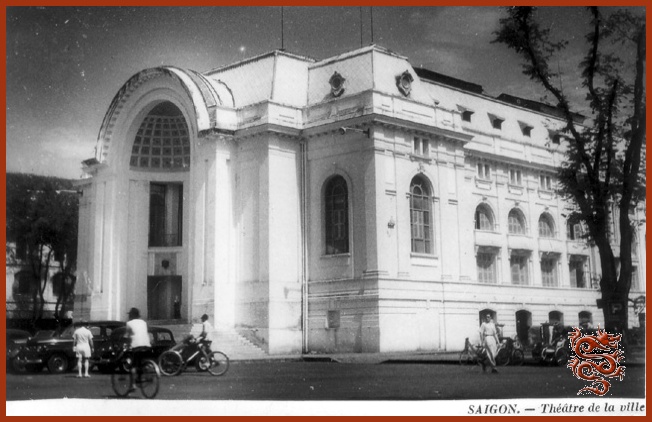
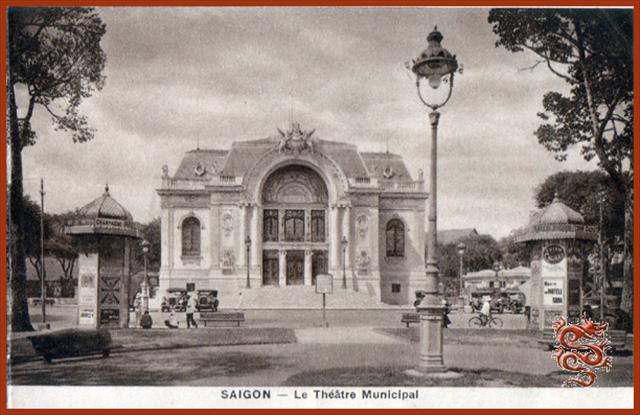
The Municipal Theater was built in 1910 by the architecture firm of Félix Ollivier, Ernest
Guichard, and Eugène Ferret. Hosting theater companies from Paris or divas just passing through, it enlivened somewhat the
city in which the elite got bored in the evening. It was inaugurated in the presence of Prince Waldemar of Denmark. In
the architectural style of the Third French Republic, the façade is inspired by the Petit-Palais in Paris. The interior
appointments are well-equipped with perfect acoustics and lighting. The building includes a general-seating area and two
balconies, for a total of 1800 seats. Décor, inscriptions, and
furniture were designed in France by famous French artists and
sent to Saigon. In 1943 a part of this décor was removed during
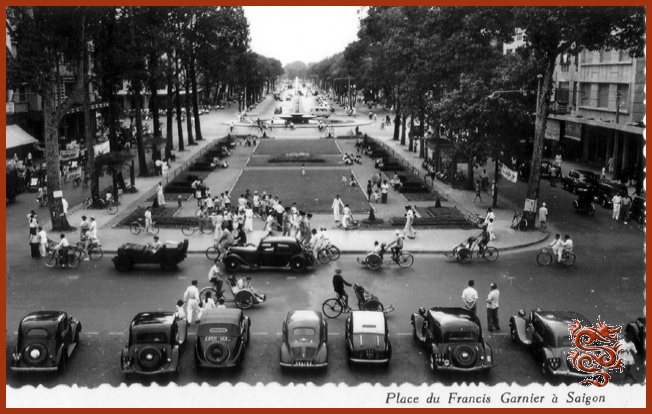
the Japanese occupation. Francis Garnier Square
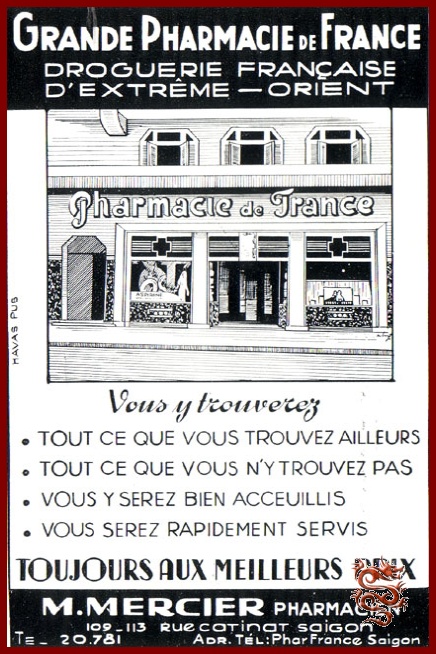
Havas Far-East
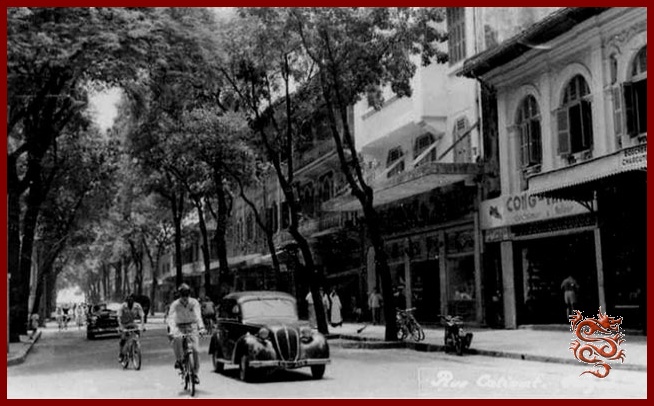
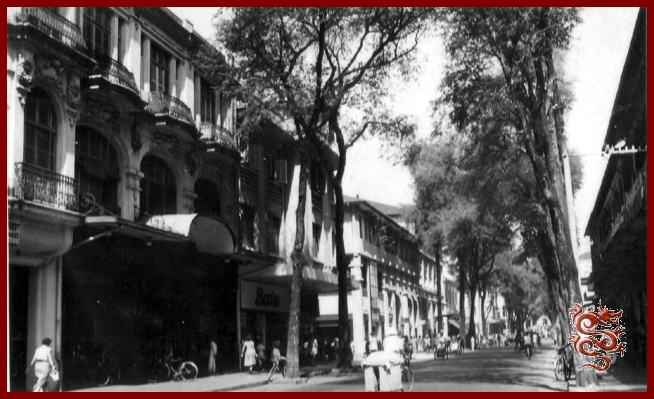
Havas Far-East Chasseloup-Laubat Street The Marquis of Chasseloup-Laubat was Minister of the Navy for the Colonies under Napoleon III. He founded the Protectorate of Cambodia and completed the conquest of Cochin-China. |
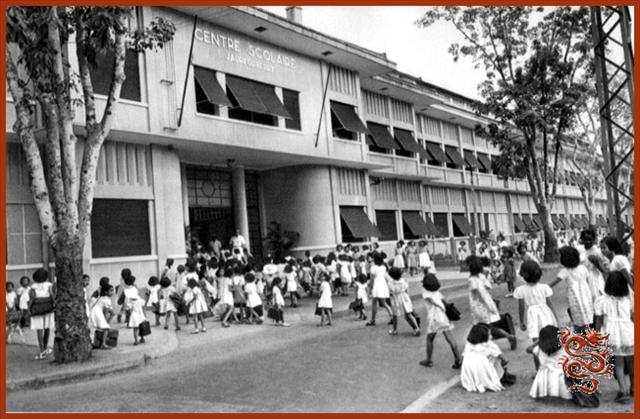
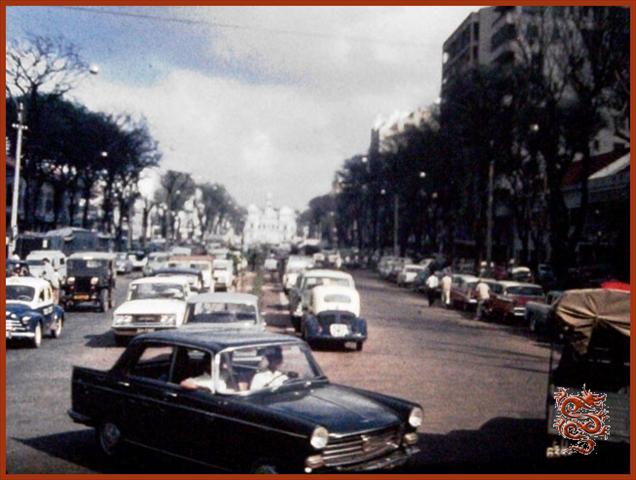
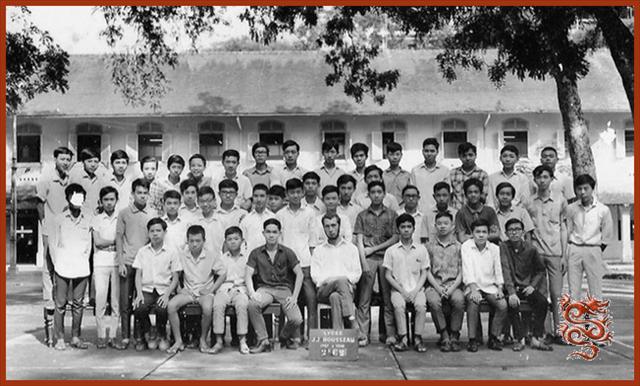
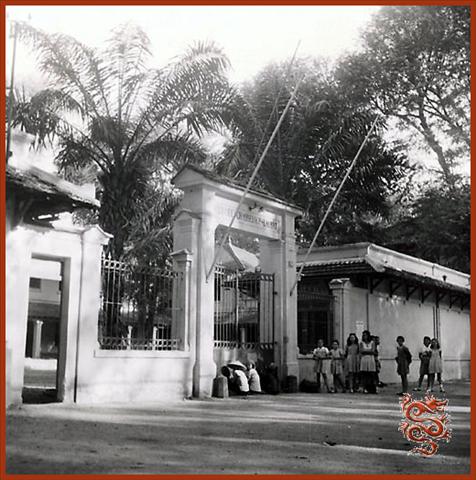
Chasseloup-Laubat Street is one of the longest in the city of Saigon. It begins in the north at the bridge of Arroyo de l’Avalanche (Avalanche Creek) (Thi Nghè), runs along the Saigon Botanical Gardens, crosses the width of the city and ends at the line between Saigon and Cholon. In going through the central part of the city, the street borders on one side of the old Governor General’s Palace, now the Palace of Independence. It also passes in front of the Collège Chasseloup-Laubat, a high school built in 1875.
This college which will subsequently become the “Lycée Jean-Jacques Rousseau”.
Since the ‘70’s, the school has officially been called Chasseloup-Laubat College
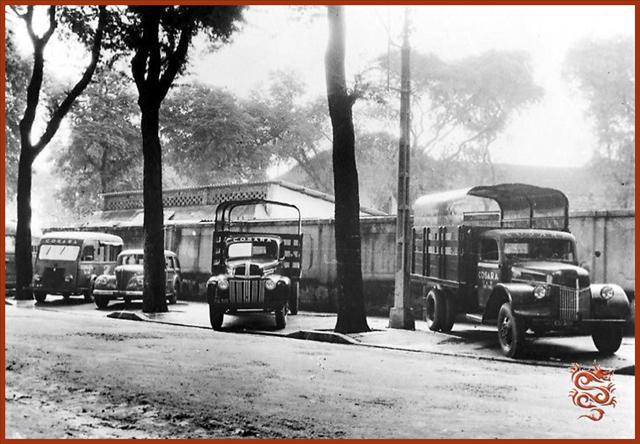
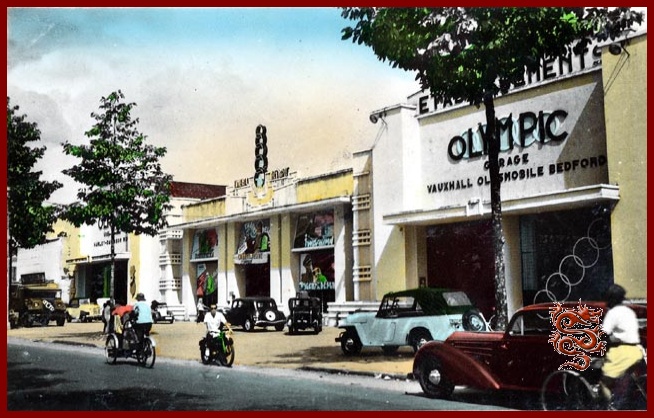
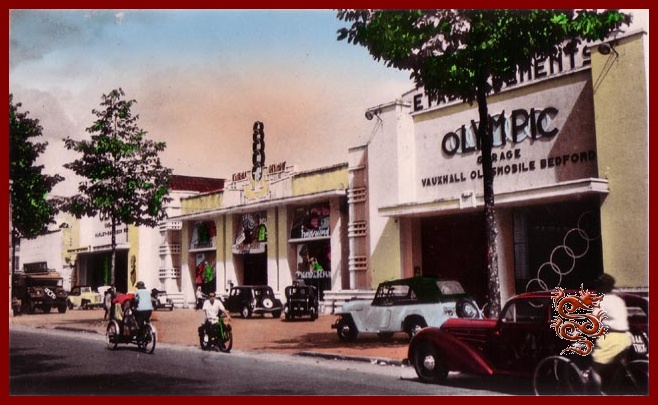
The Olympic Company Cars: Oldsmobile, Vauxhall, Salmson
Olympic Theater and Garage
95 - 99, Chasseloup Labat Street Offices of the Saigon Michelin tire manufacturing company
180, Chasseloup Labat Street |


|
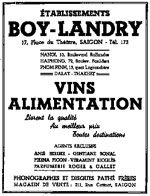
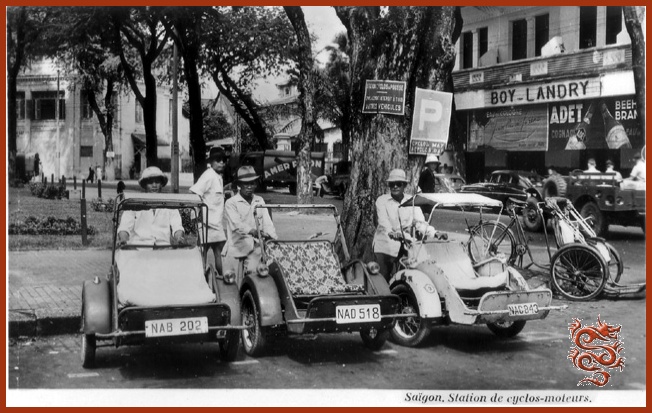
Foray Square The Boy Landry Company
Near the Theater at 15-17 Foray Square (formerly Theater Square) is located the "Boy Landry".
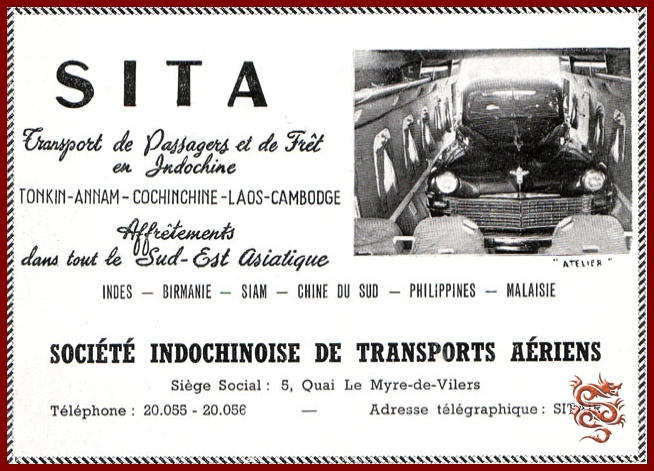
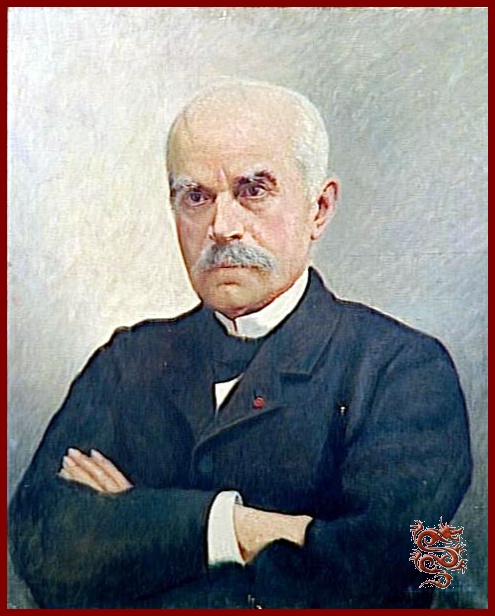
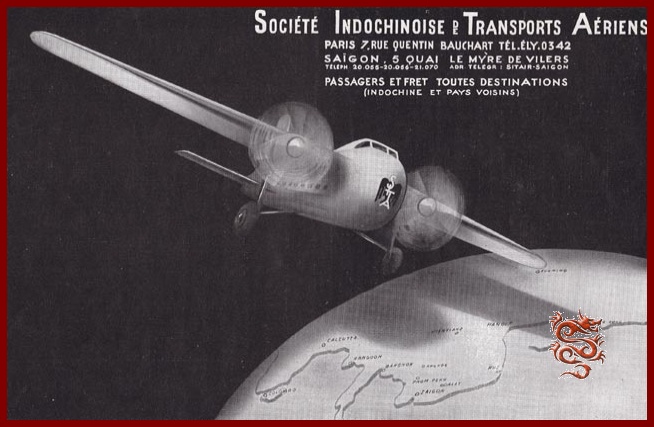
Le Myre de Villers Embankment In 1879, Charles Le Myre de Villers was the first civilian governor of Cochin-China and plenipotentiary minster to the Court of Annam. He was the Deputy for Cochin-China from 1889 to 1902. Societé Indochinoise de Transports Aériens
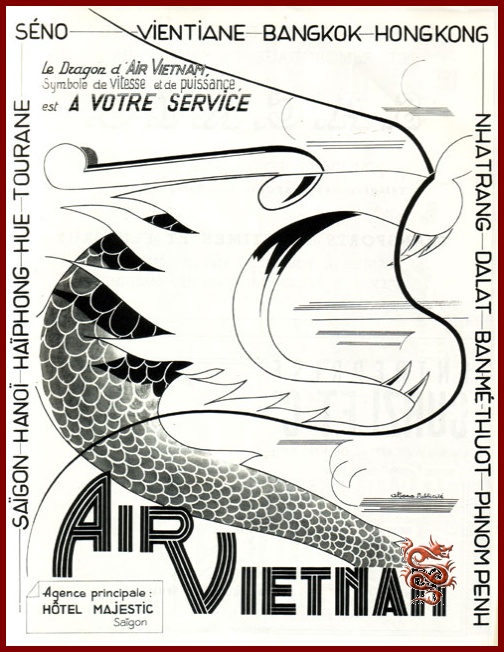
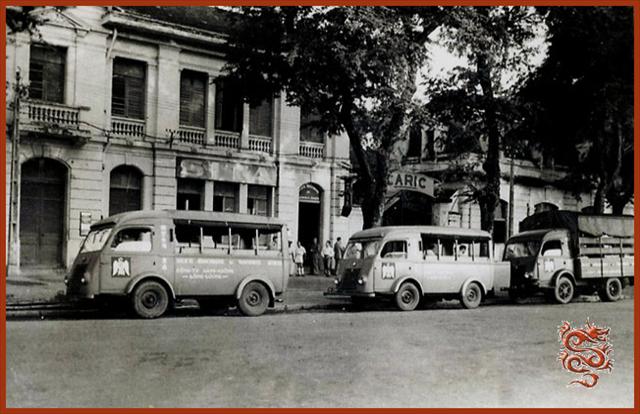
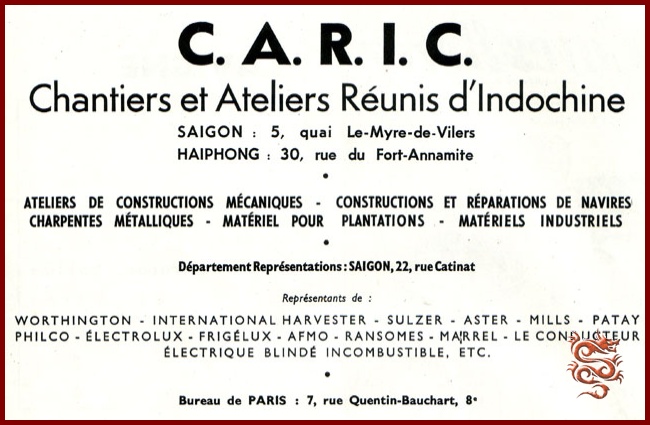
At 5 Le Myre de Villers Embankment before 1951 it was the main office of SITA after Air Vietnam company used the same building. CARIC
Also at the number 5: |
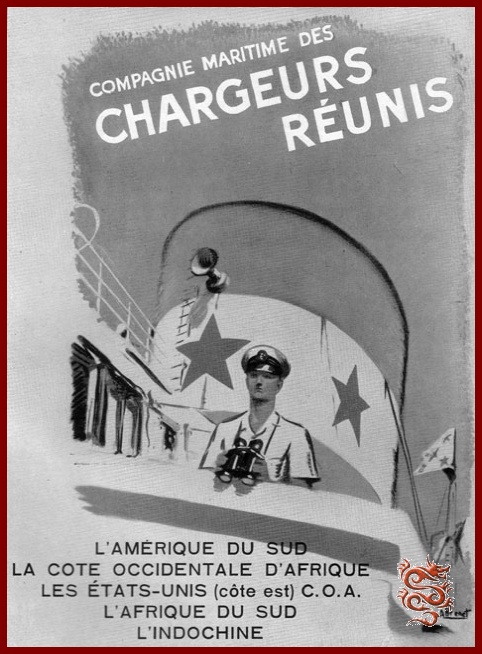
Compagnie Maritime des S.M.E.O. Customs House
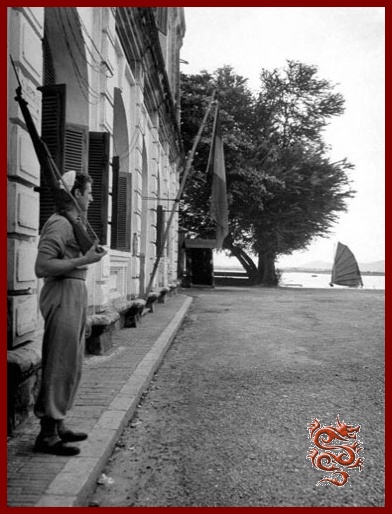
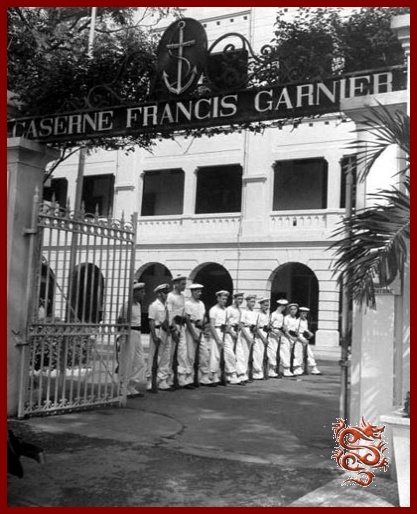
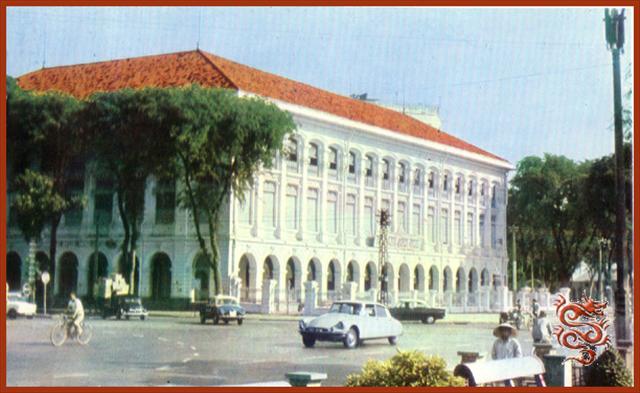
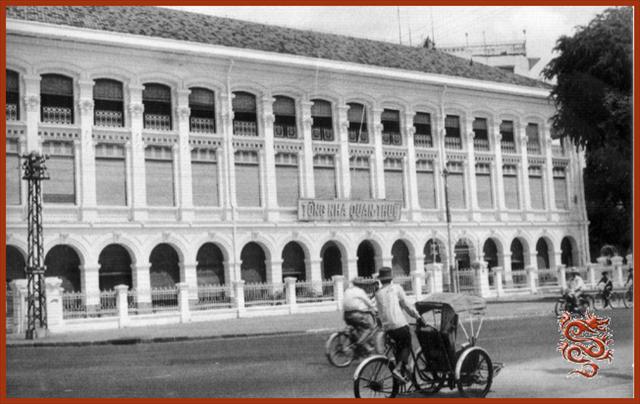
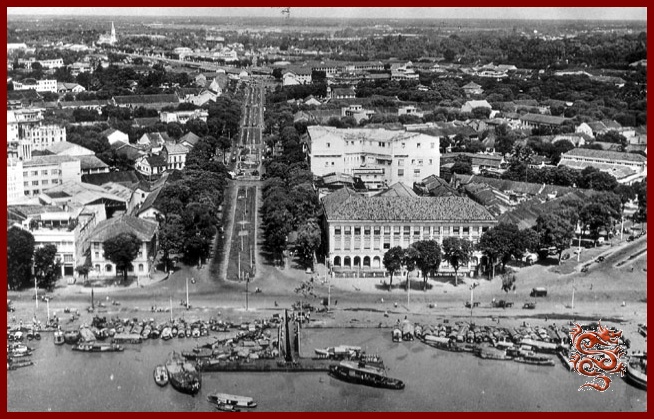
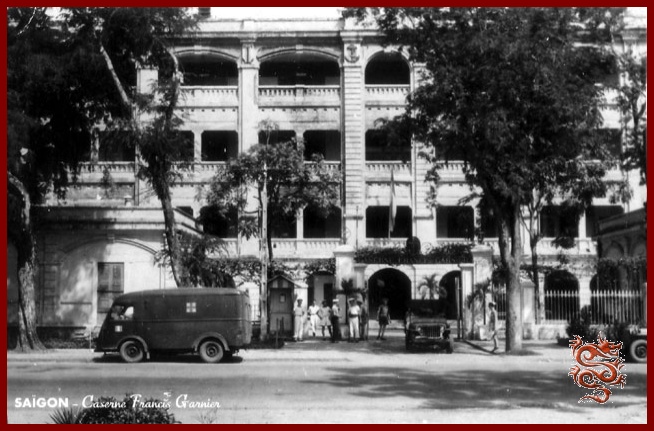
21, Le Myre de Vilers Embankment Le Myre de Vilers Embankment Francis Garnier Barracks On the "Le quai Le Myre de Villers" embankment along the Saigon river was the Francis Garnier Barracks located near by the Admiralty. The Trung sisters
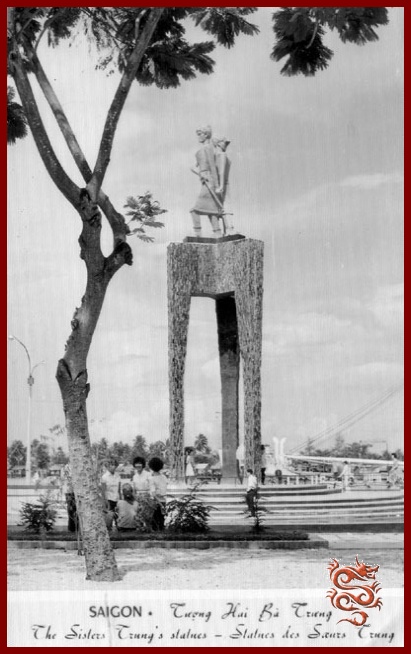
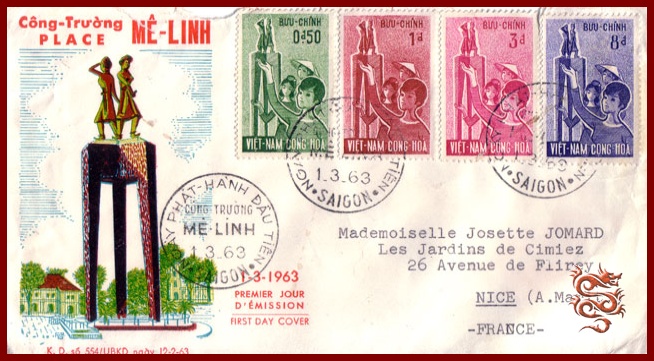
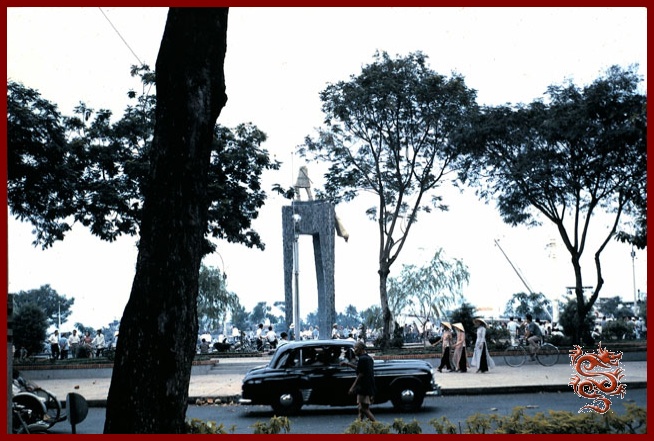
The Trung sisters, known in Vietnamese as Hai Bà Trung (literally "the 2 Trung ladies").
This statue was pulled down on November 1st, 1963, because it was a favorite of Madame Nhu (Tran Lê Xuân) |
haut de page 
